Avondale Epoxy Pros
Polyurea Floor Coatings in Avondale, AZ
Polyurea floor coatings in Avondale, AZ: flexible, fast-curing systems that handle slab movement and heat swings. Free estimates.
- 15+ Years local experience
- 500+ Projects completed
- Licensed & Insured
Serving Avondale and nearby communities.
Concrete expands and contracts as slab temperatures swing between cool desert mornings and 140-degree surface heat by afternoon. Rigid coatings crack along those movement lines over time. Polyurea stays flexible, so it moves with the slab instead of fighting it, which is why Avondale Epoxy Pros uses it on garages, shops, and patios where slab movement is part of the picture.
Avondale's building boom over the last two decades means most slabs are relatively young, but young concrete still shrinks and shifts as it cures and settles. Avondale Epoxy Pros tests the slab, seals joints before coating, and sprays a polyurea system built for that movement rather than a one-size system pulled off a shelf.
What's included
What's included with Polyurea Floor Coatings
Typically included: substrate testing, surface grinding, joint and crack sealing, spray-applied polyurea base, fast final cure. Optional: reinforcement layer for heavy-equipment zones, elastomeric additive for extra flexibility, chemical barrier topcoat. Customer prep: clear the space of vehicles or stored materials, flag any area with visible slab cracking before the walkthrough.
Want a clearer scope?
Get a Free EstimateHow it works
How our Polyurea Floor Coatings process works
 Step 1
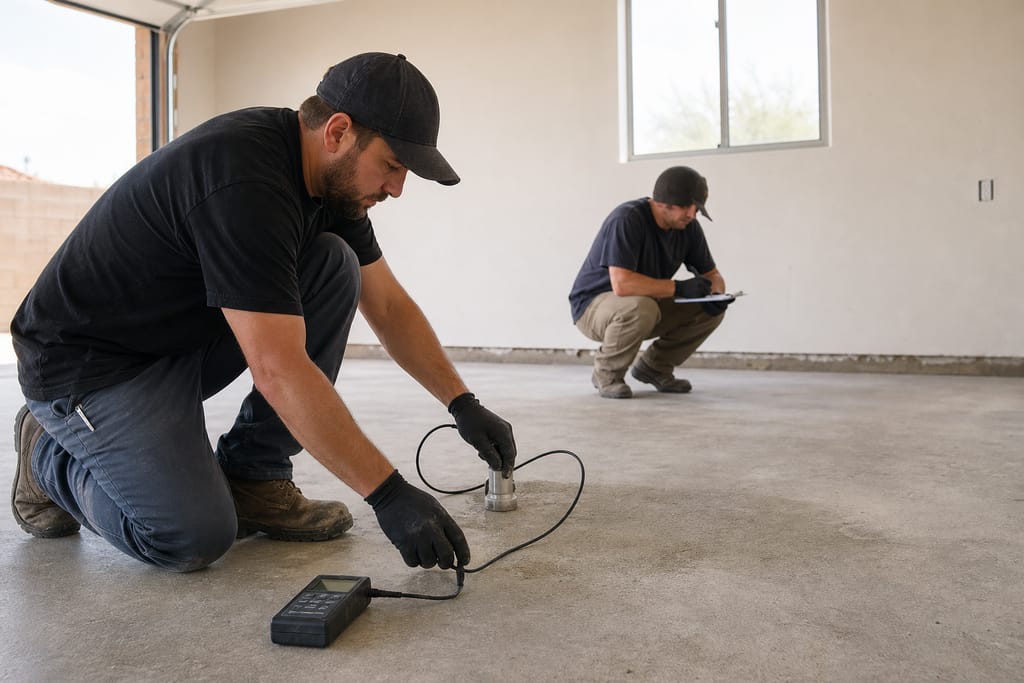
Substrate Assessment
The concrete is tested for moisture and strength before coating application.
 Step 2
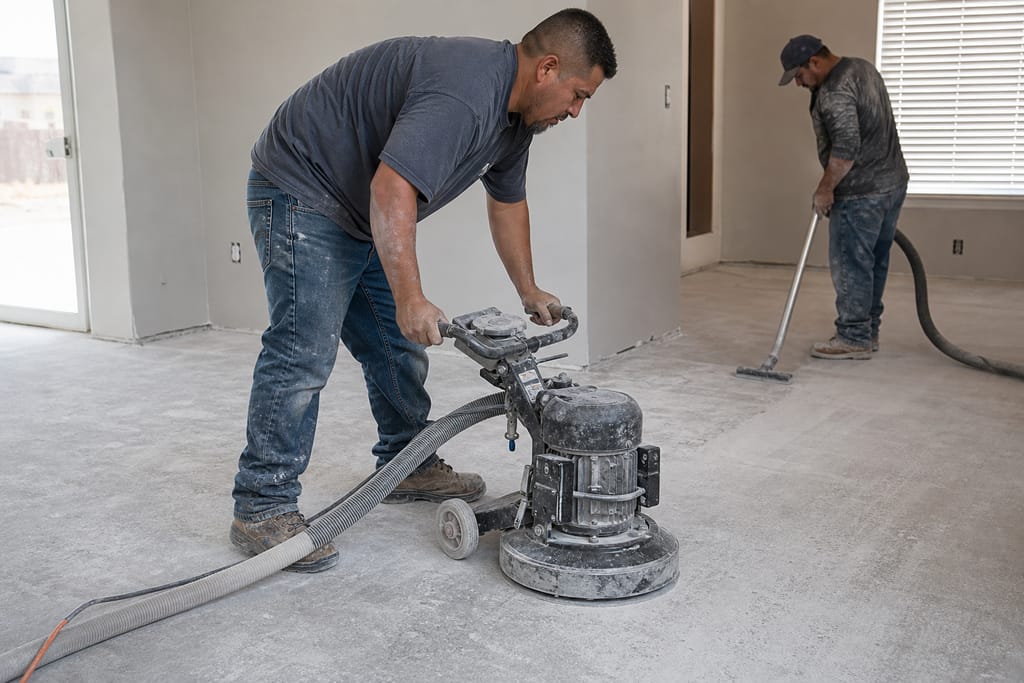
Surface Grinding
Mechanical grinding prepares the surface profile for strong material bonding.
 Step 3
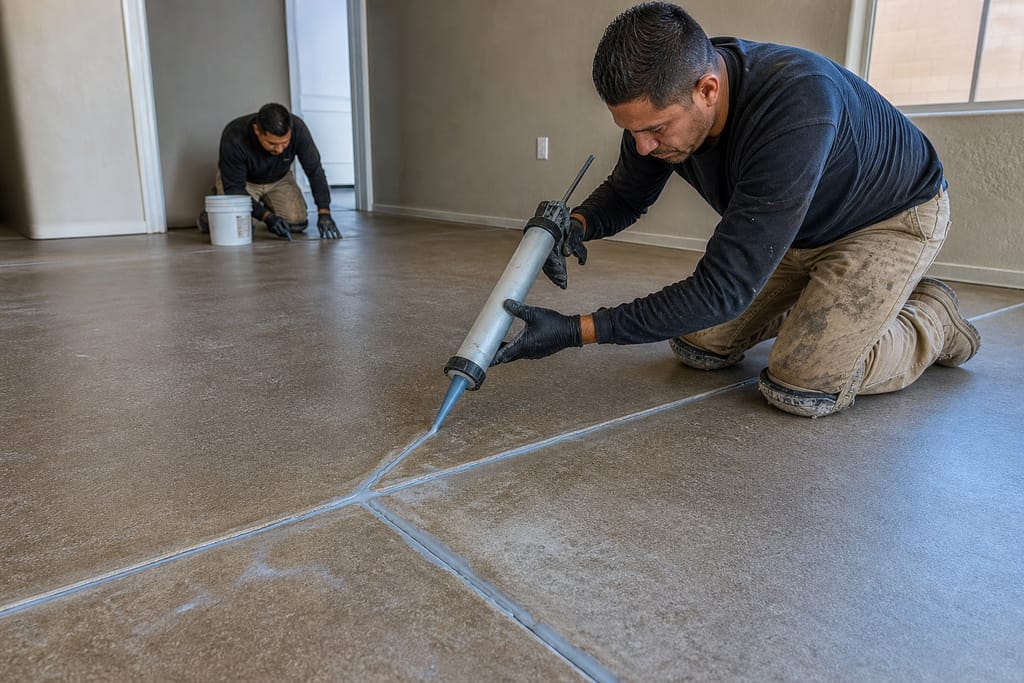
Joint & Crack Sealing
Expansion joints and cracks are sealed to prevent coating failure over time.
 Step 4
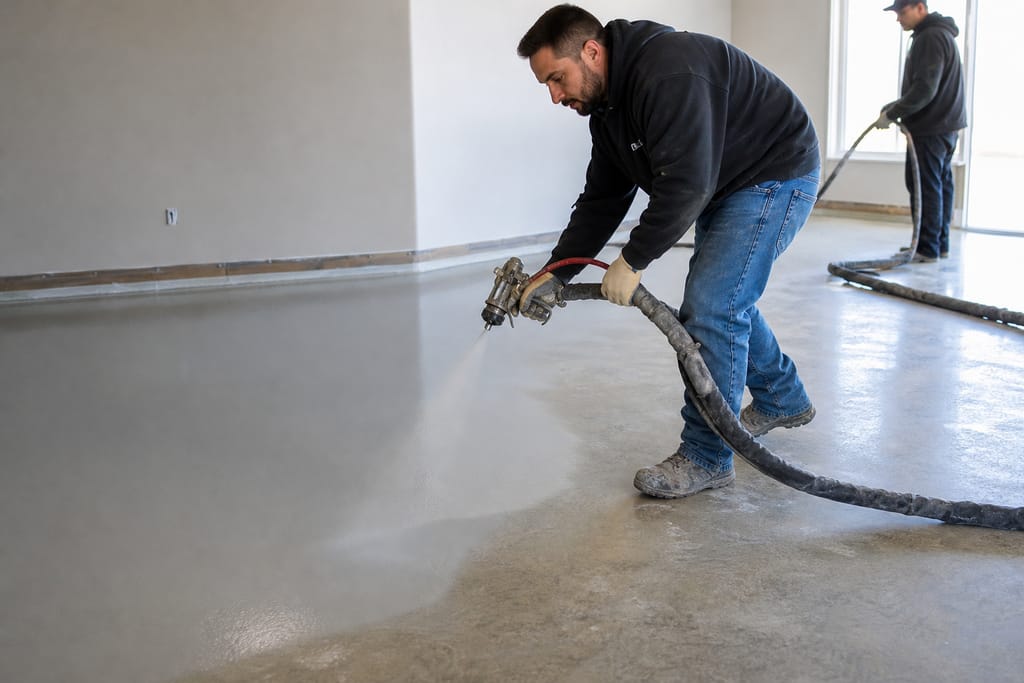
Spray-Applied Base Layer
A sprayed polyurea base layer is applied for rapid, even coverage.
 Step 5
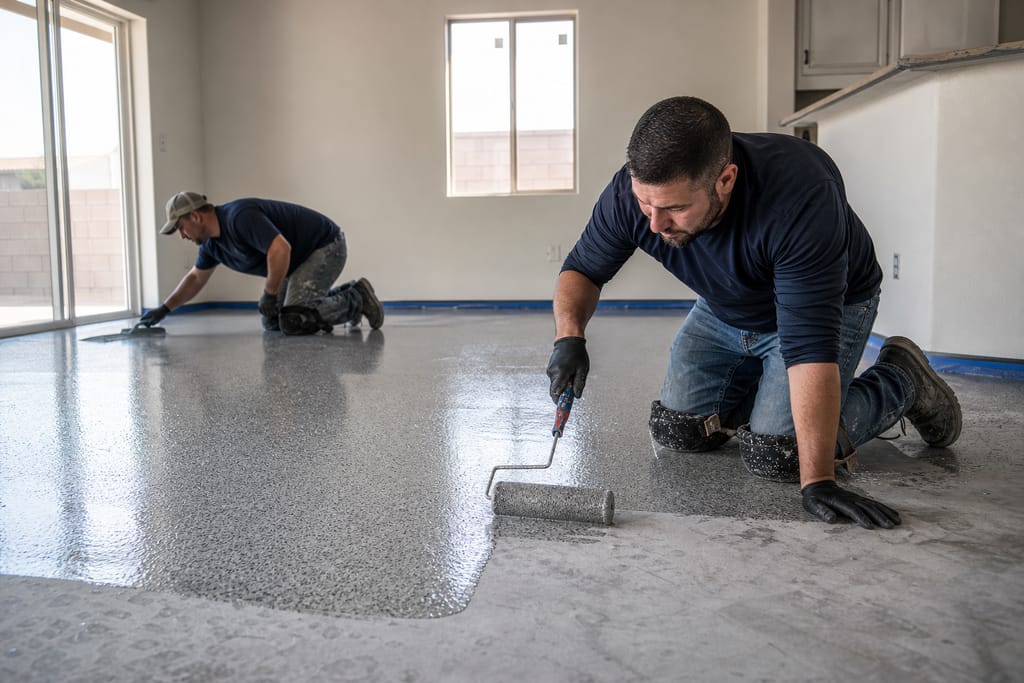
Reinforcement Layer
An additional layer is added in high-traffic zones for extra durability.
 Step 6
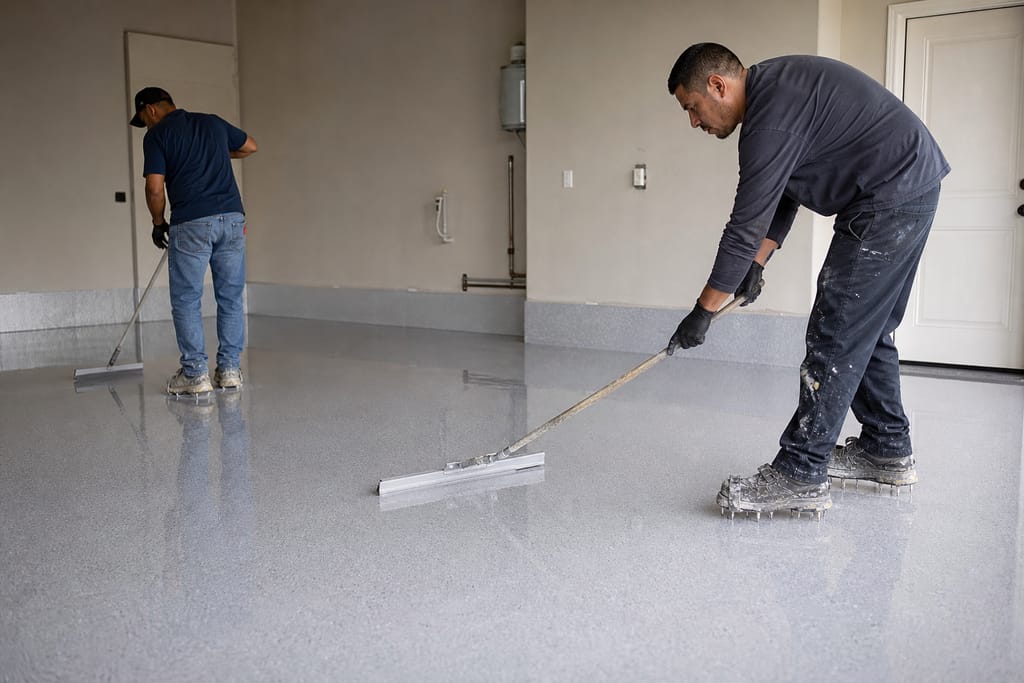
Fast Final Cure
The coating cures within a short window, minimizing facility downtime.
Materials
Materials and methods for Polyurea Floor Coatings
Polyurea's spray application and short cure window make it a different animal from roll-on epoxy, suited to spaces that need flexibility and speed.
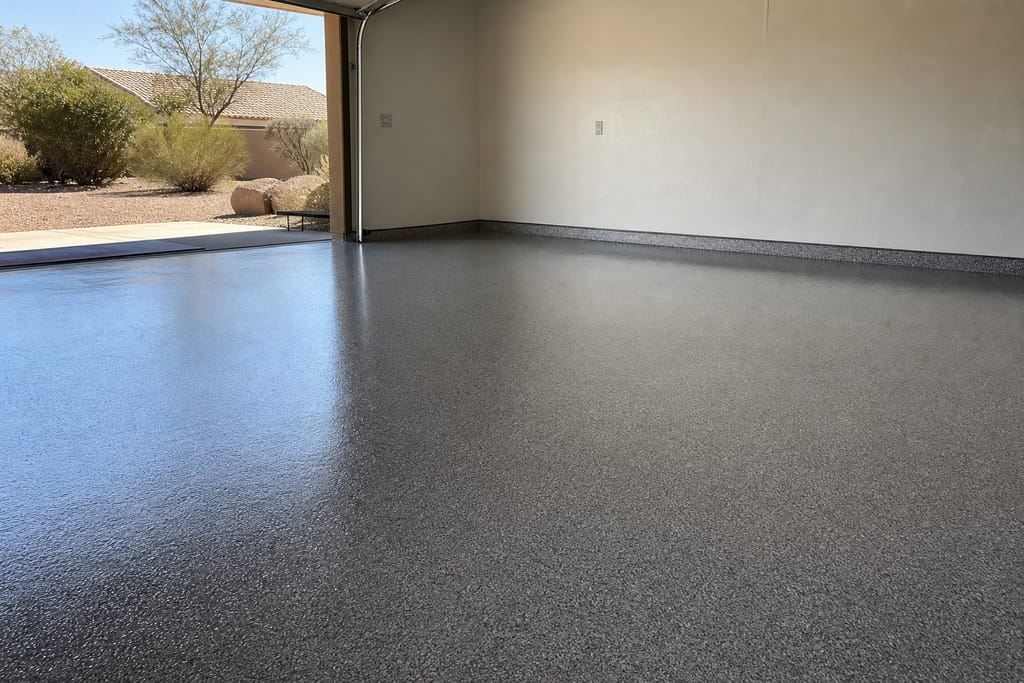
Pure Polyurea Coating
A flexible, fast-curing coating resists abrasion and the temperature extremes common on exposed Avondale concrete.
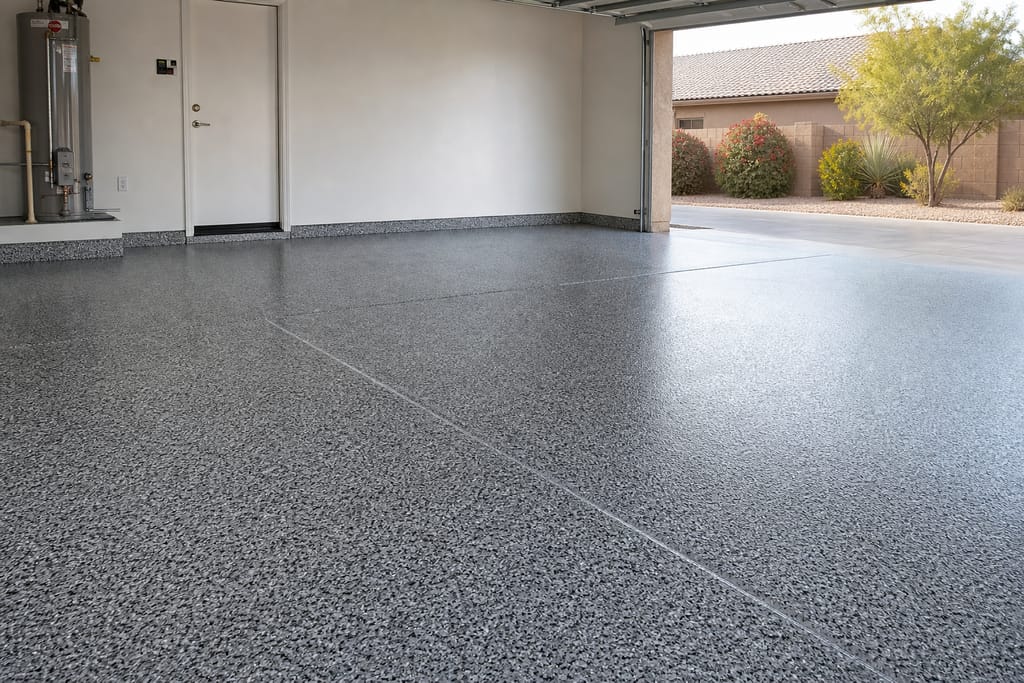
Hybrid Polyurea-Epoxy System
Blends epoxy's strength with polyurea's speed, a middle option for garages that need both durability and quick turnaround.
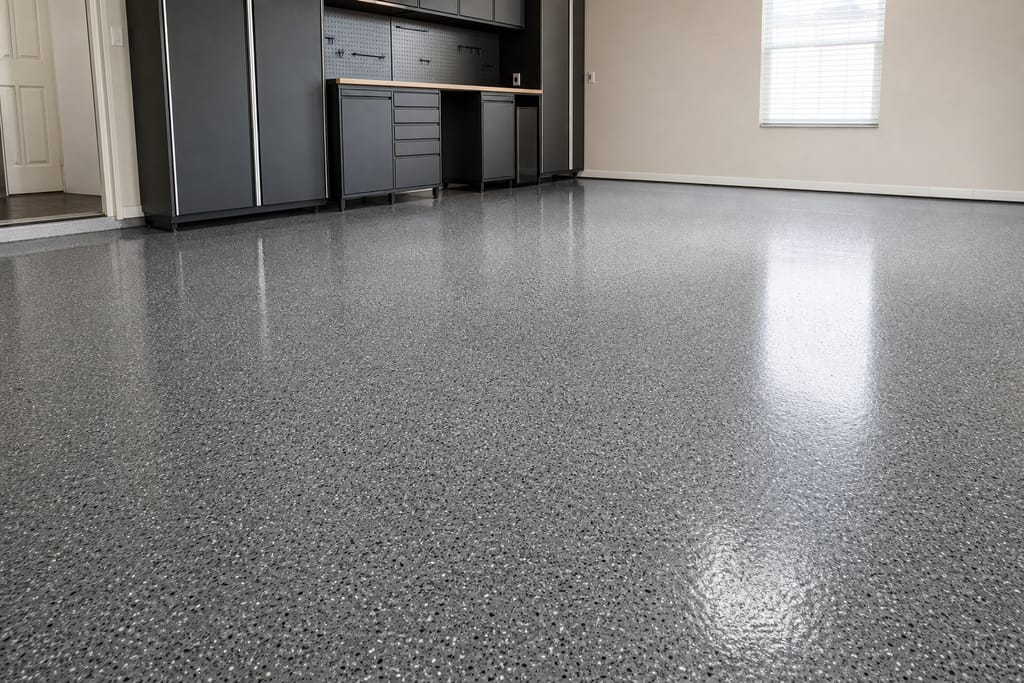
Impact-Resistant Topcoat
Withstands dropped tools and heavy equipment, useful in shops and detached garages.
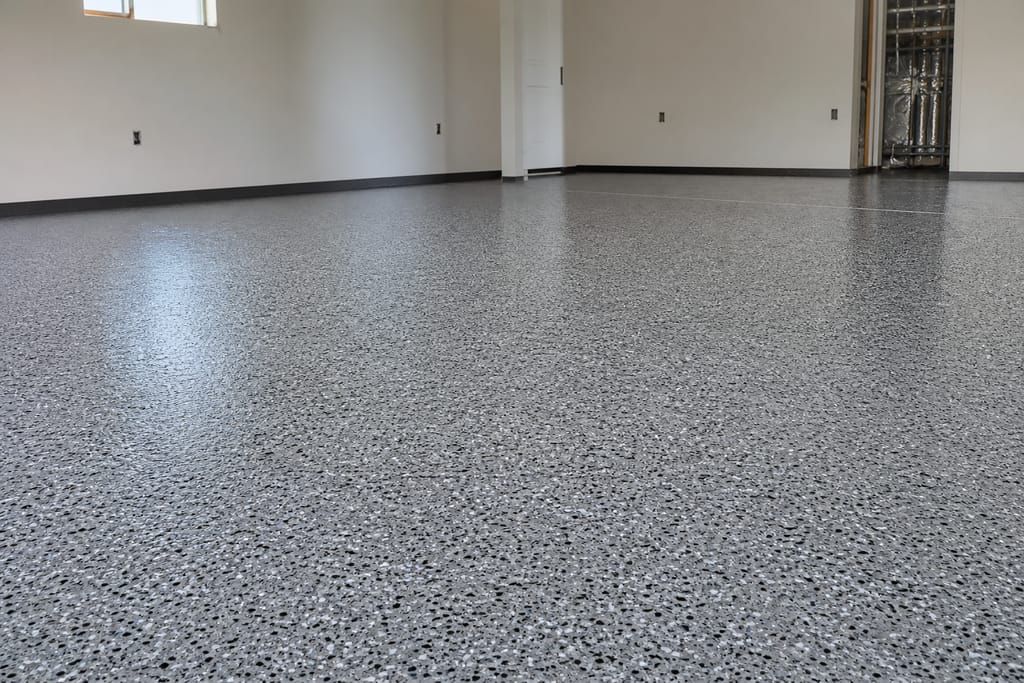
Thermal Shock Resistant Layer
Handles rapid temperature swings without cracking, relevant when a slab heats up fast under direct desert sun.
Chemical Barrier Sealant
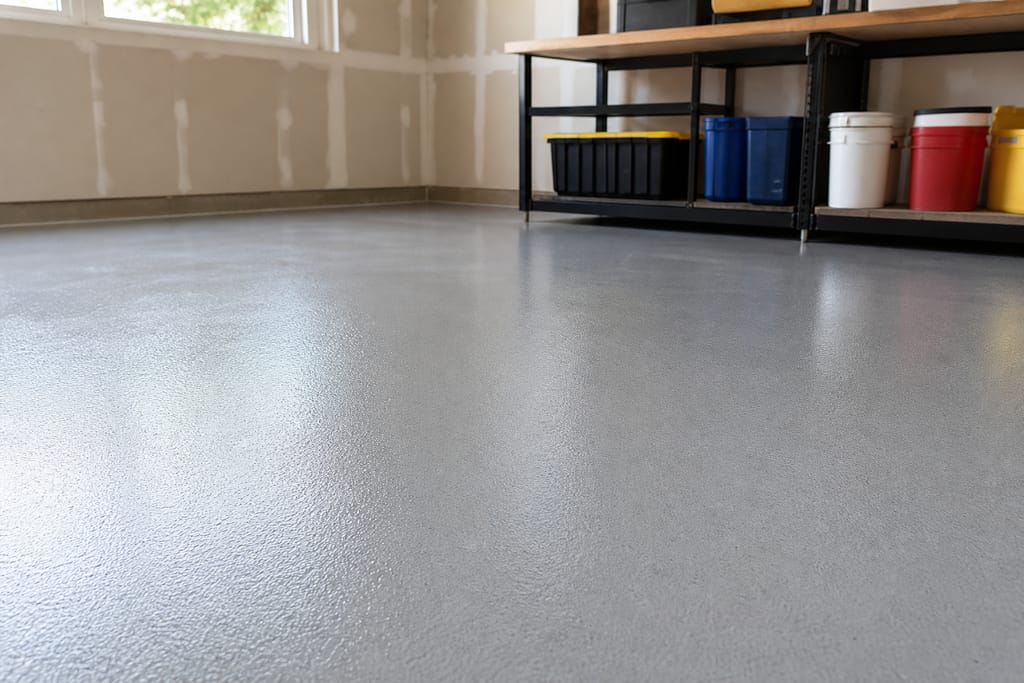
Resists oils, solvents, and automotive fluids common in garage and shop settings.
Elastomeric Additive
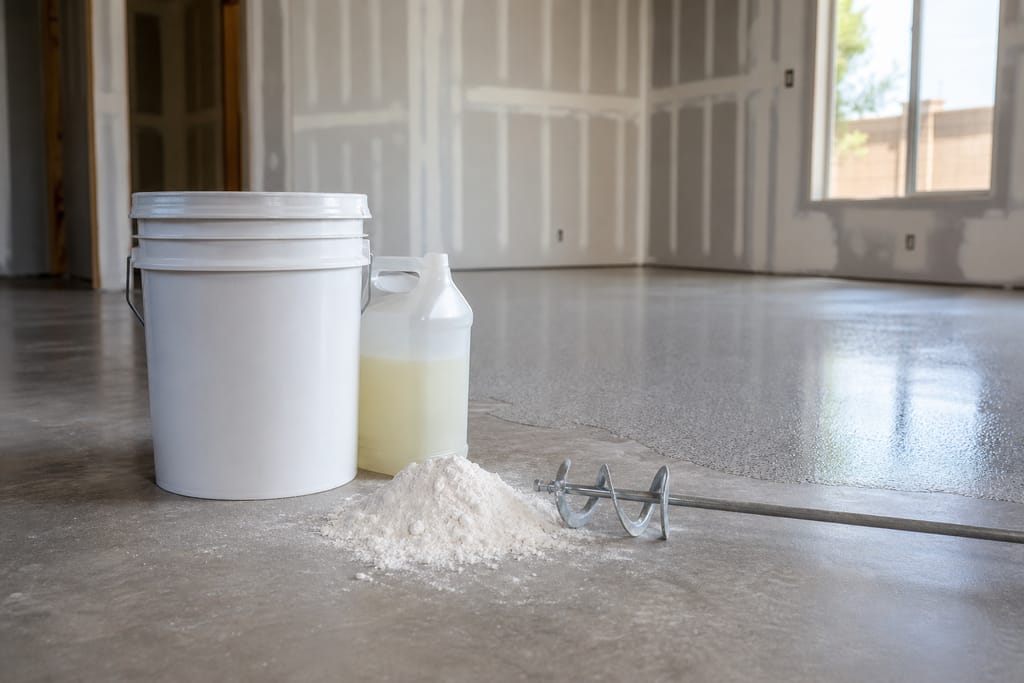
Increases flexibility so the coating moves with the slab instead of splitting along shrinkage lines.
Questions on materials?
Get a Free EstimateTimeline
How long does a Polyurea Floor Coating take?
Spray application means polyurea moves through the schedule faster than roll-applied systems.
- 01
Consult and site visit
same day - 02
Grind and joint sealing
half day - 03
Base layer spray application
half day - 04
Reinforcement layer (if needed)
2–3 hoursadd
- 05
Final cure before light use
2–4 hours - 06
Full cure for heavy equipment
24 hours
Need a schedule that fits?
Get a Free EstimateBefore & after
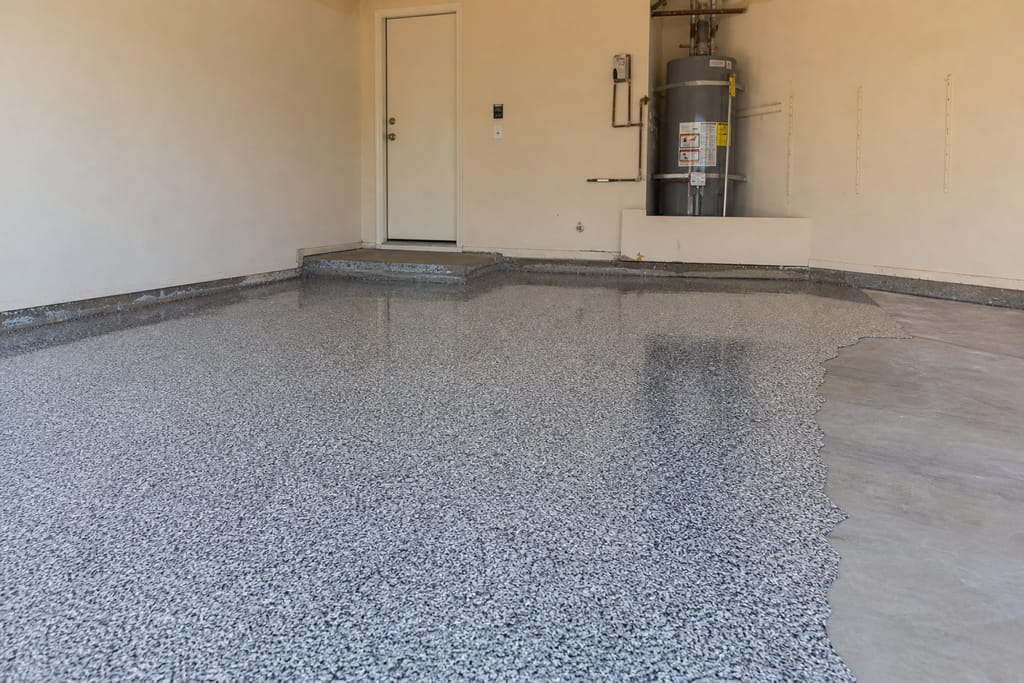
Before and after Polyurea Floor Coatings
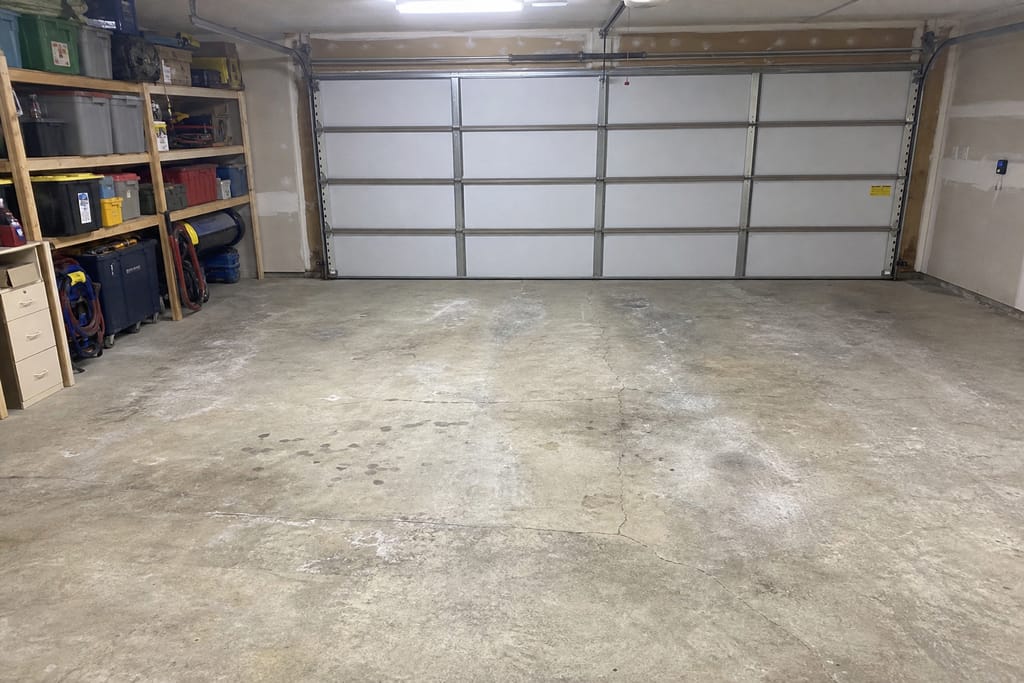
Before 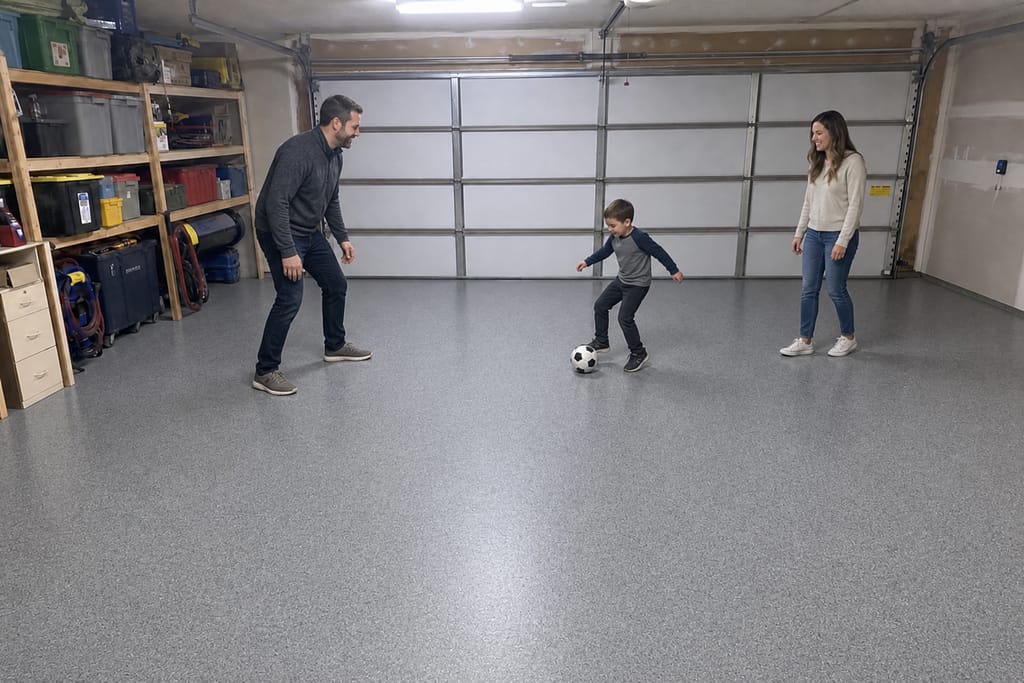
After
FAQs
Polyurea Floor Coatings FAQs
What's the difference between epoxy and polyurea coatings?
Epoxy is rigid and cures slower. Polyurea is flexible and spray-applied, curing in hours. Polyurea handles slab movement better, epoxy is generally lower cost for stable, newer slabs.
Can epoxy handle Arizona summer heat without peeling or bubbling?
Standard epoxy holds up fine on a properly prepped slab. Movement and heat swings are where rigid coatings struggle more than flexible polyurea does.
Does polyurea cost more than epoxy or polyaspartic?
Generally yes, due to spray equipment and material cost. It's usually reserved for spaces with real slab movement, heavy equipment traffic, or chemical exposure rather than a standard garage refresh.
Can I apply polyurea myself?
Not realistically. Polyurea has a short pot life and requires plural-component spray equipment, so it's a pro-only application rather than a DIY project.
How long before I can drive on a polyurea floor?
Light use is usually fine within a few hours. Full equipment or vehicle weight typically waits about 24 hours depending on the specific system used.
Next step
Get a Polyurea Floor Coating estimate in Avondale
Call (928) 615-9291 or request a free estimate and Avondale Epoxy Pros will check your slab for movement and moisture before quoting a polyurea system built for the space.
More services
Other Epoxy Flooring services
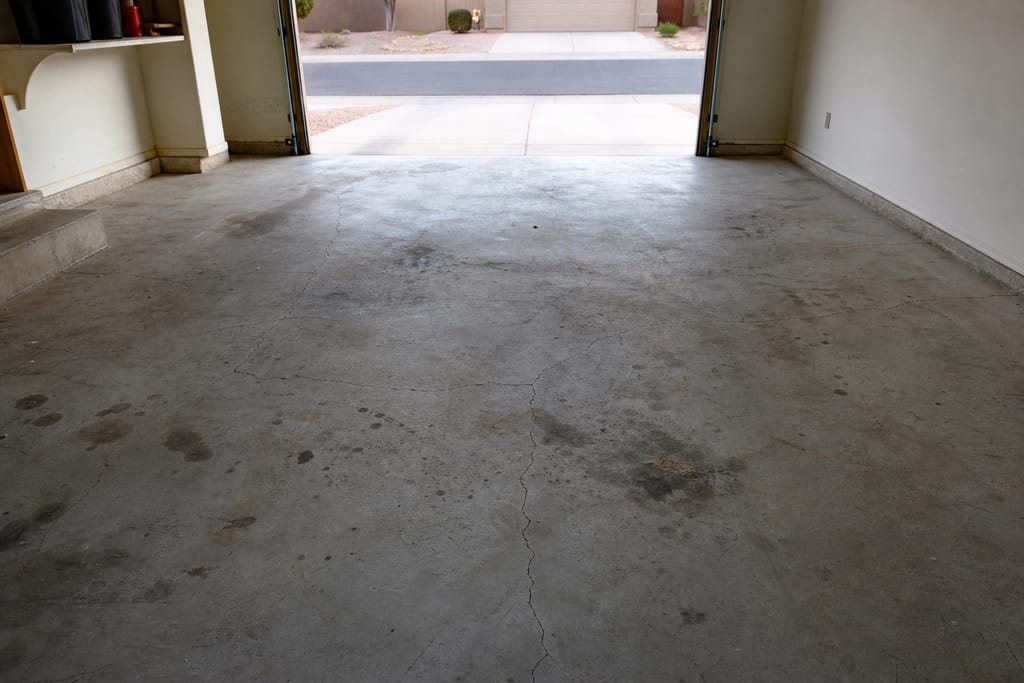
Garage Floor Epoxy Coatings
Garage floor epoxy coating with diamond-ground prep, flake or solid finish, and polyaspartic topcoat options. Free estimates.
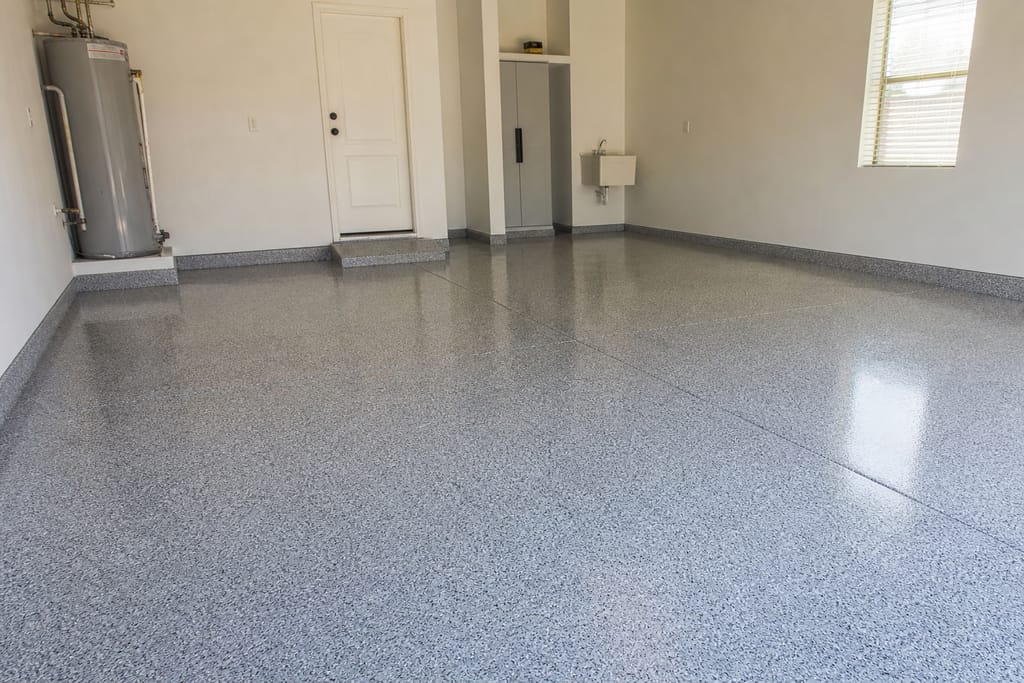
Epoxy Floor Coatings
Epoxy floor coatings in Avondale, AZ for garages, interiors, and utility spaces with solid-color and self-leveling systems. Free estimates.
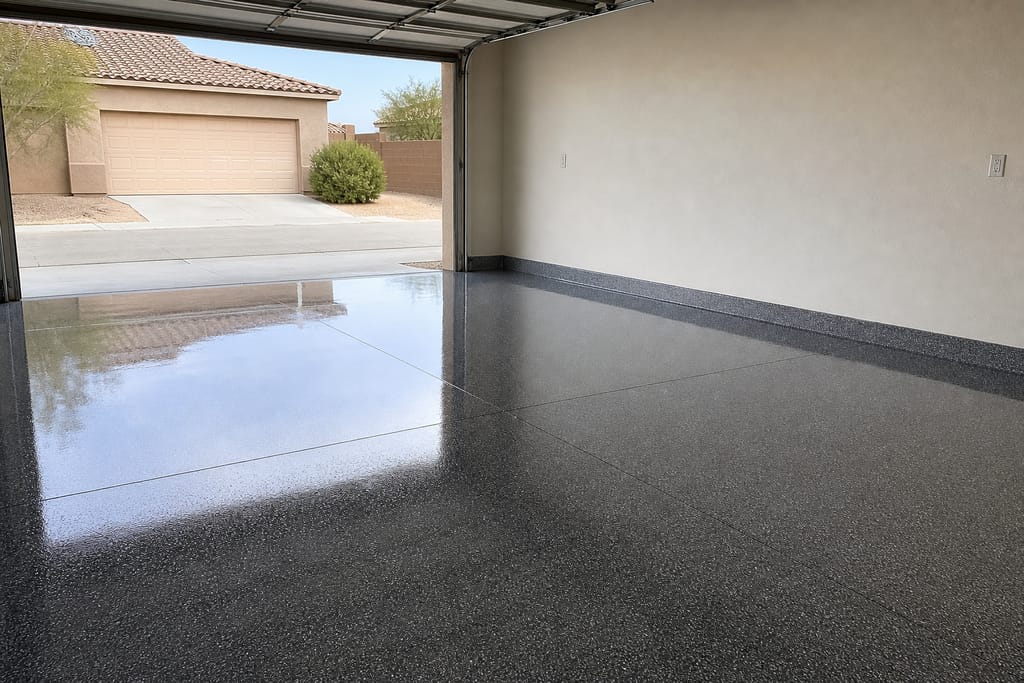
Polyaspartic Floor Coatings
Polyaspartic floor coatings in Avondale, AZ: fast-cure, UV-stable finishes built for desert sun and quick turnaround. Free estimates.
Ask about Polyurea Floor Coatings
Tell us about the project and how to reach you.